How to Build Future-Ready Habits at Home
Daily practices that support curiosity, resilience, and lifelong learning
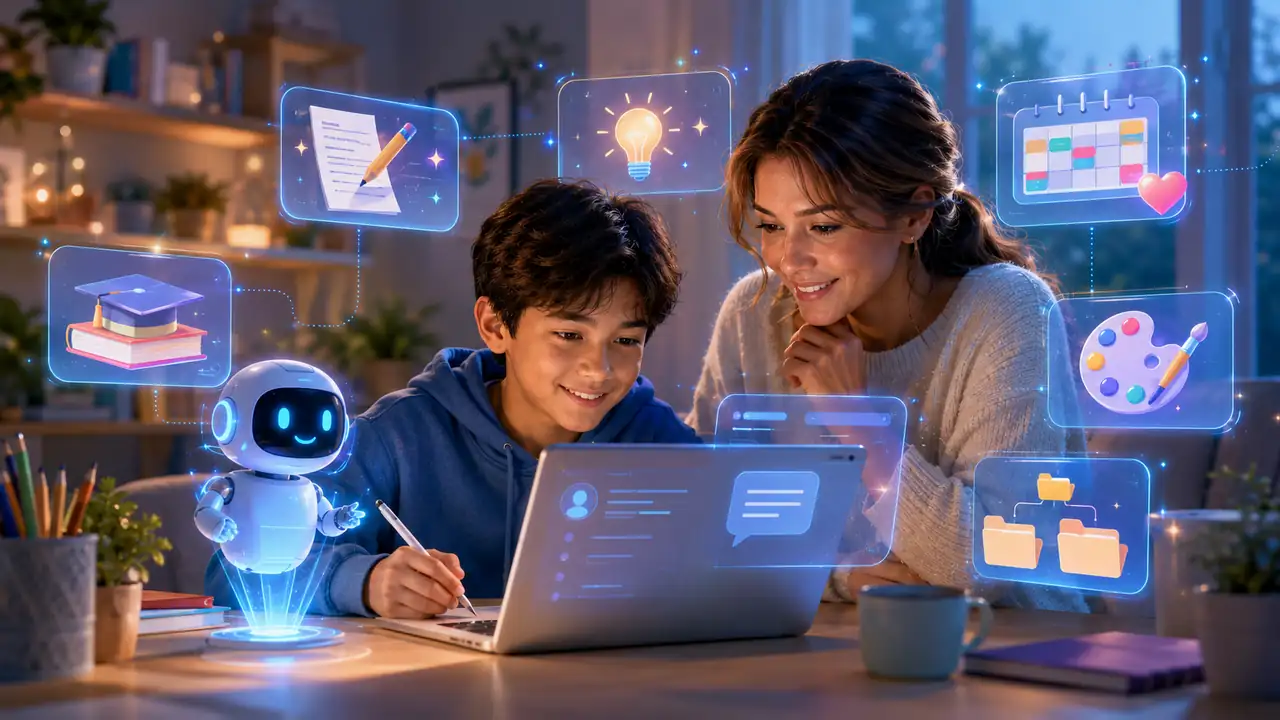
Learning does not happen only in school. In fact, some of the most important learning happens at home through daily routines, conversations, and experiences.
Parents play a key role in shaping how children approach learning.
Why this matters now
Information is easy to access. What matters is not access, but habits: how children approach challenges, respond to difficulty, stay engaged, and reflect on what they learn.
Strong learning habits lead to long-term success.
What good learning habits look like
Children with strong learning habits stay curious, ask questions, try different approaches, reflect on what they learn, and persist through difficulty.
These habits are built over time, not overnight.
Real-life examples
A child working on a project may experiment with ideas, make mistakes, and improve step by step. A child studying may review actively, explain concepts, and ask questions.
The process matters more than the result.
Key skills involved
- Self-discipline
- Curiosity
- Focus
- Reflection
- Persistence
- Independence
What this means for your child
Strong habits can improve academic performance, increase confidence, reduce stress, and build independence.
Weak habits can lead to frustration, avoidance, and dependence on others.
What parents can do
- Create a consistent routine.
- Encourage questions.
- Focus on effort, not only results.
- Allow time for deep work.
- Limit distractions.
- Model learning behavior yourself.
Simple consistency matters more than strict rules.
Practical strategies
- Set a regular study or project time.
- Break tasks into smaller steps.
- Use active learning, such as explaining or teaching.
- Encourage reflection after tasks.
- Celebrate progress, not perfection.
Connection to future skills
Learning habits directly support adaptability, problem-solving, independence, critical thinking, and digital confidence.
These are essential in a changing world.
Common mistakes to avoid
- Focusing only on grades.
- Over-controlling the process.
- Solving problems for the child.
- Expecting immediate results.
Final thoughts
Strong learning habits are one of the best advantages a child can have. They do not require special tools, only consistent support and the right mindset.
Start the Future Skills Assessment to better understand your child’s strengths and next steps.
How parents can use this guide
Use this guide as a starting point, not as a fixed plan. The best choice depends on your child's age, confidence, interests, and willingness to keep trying when something feels difficult.
A good next step is small and visible: one project, one routine, or one conversation that helps your child explain what they are learning in their own words.
Simple parent checklist
- Can your child explain the idea without copying someone else's words?
- Does the activity lead to creating, testing, designing, or solving something?
- Is the next step realistic for this week?
- Does the tool or activity match your child's maturity and need for supervision?
Recommended next steps
For a more personal starting point, open the parent activity guide. If your child is ready for a practical path, continue with the interactive roadmaps.